


DIY Projects You Can Do in the Attic of Your Home (That Actually Add Value)

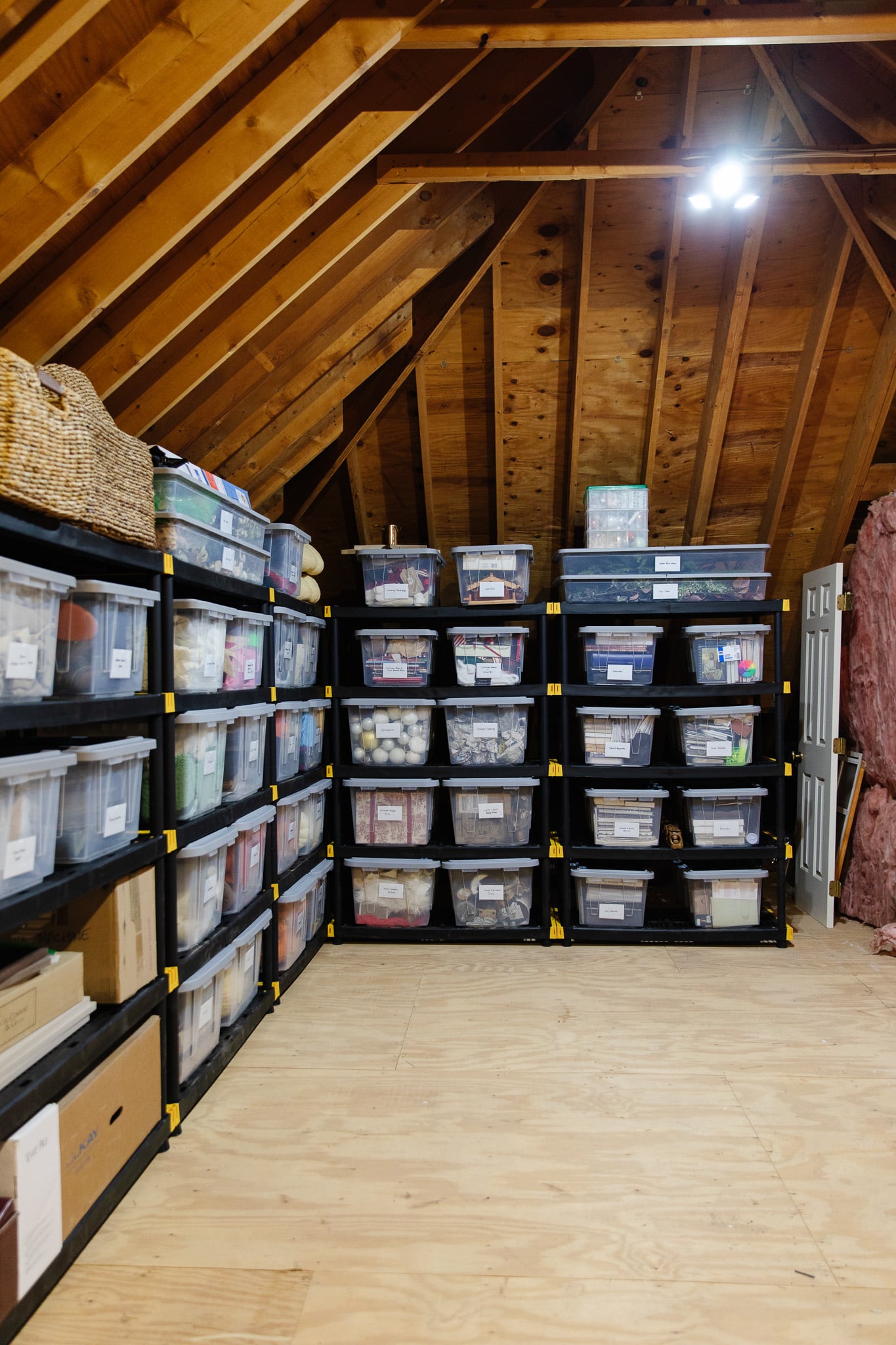


For many homeowners, the attic is the most overlooked part of the house. It’s often dark, dusty, and used as a last-resort dumping ground for holiday decorations, old boxes, and forgotten furniture. But with a little planning—and some smart DIY projects—your attic can become one of the most useful spaces in your home.
Whether you’re looking to add storage, improve energy efficiency, or simply make your attic safer and easier to access, there are dozens of attic DIY projects that can dramatically improve your home’s function and value without the cost of a full renovation.
This guide walks through practical, realistic attic DIY projects—from beginner-friendly upgrades to advanced improvements—along with tips on safety, materials, and when to call in a professional.
Why the Attic Is the Perfect DIY Opportunity
Before diving into projects, it’s worth understanding why the attic is such a smart place to invest your time and effort.
1. It’s Already Paid For
Your attic is existing square footage. Unlike an addition, you’re not pouring concrete or framing exterior walls—you’re improving space you already own.
2. Improvements Often Pay for Themselves
Projects like insulation upgrades, organized storage, or safer access can:
-
Lower heating and cooling bills
-
Prevent damage from improper storage
-
Increase resale appeal
3. Many Projects Are Weekend-Friendly
A surprising number of attic improvements can be completed in a single weekend with basic tools.
Safety First: What You Must Know Before Starting
Attics can be dangerous if approached casually. Before starting any project, keep these fundamentals in mind.
Structural Awareness
-
Never step on drywall—only on joists or decking
-
Most ceiling joists are designed to hold drywall, not storage loads
-
If unsure, consult a structural professional
Electrical Hazards
-
Exposed wiring and junction boxes are common
-
Never bury electrical boxes under insulation or flooring
-
Use battery lighting or headlamps
Heat & Air Quality
-
Attics can exceed 130°F in summer
-
Wear a respirator or dust mask
-
Schedule work during cooler hours
Project #1: Add Attic Flooring for Safe Storage

One of the most impactful attic DIY projects is installing proper flooring over joists. This creates a stable surface for storage and makes future projects far easier.
Materials Needed
-
¾" tongue-and-groove plywood or OSB
-
Construction adhesive
-
Deck screws
-
Chalk line
Key Tips
-
Run panels perpendicular to joists
-
Leave small expansion gaps
-
Never compress insulation underneath
Value Added
-
Safer access
-
Prevents drywall damage
-
Makes attic usable year-round
Project #2: Build Custom Attic Storage Platforms
If your attic has trusses or uneven framing, full decking may not be feasible. Instead, consider raised storage platforms.
Ideal For:
-
Seasonal decorations
-
Luggage
-
Plastic storage bins
DIY Advantage
Platforms can be built:
-
Between trusses
-
Over reinforced joists
-
Around HVAC equipment
This allows you to store items safely without interfering with insulation or airflow.
Project #3: Install Better Attic Lighting
Lighting is one of the cheapest upgrades with the biggest payoff.
Options
-
LED strip lights along joists
-
Battery-powered motion lights
-
Hardwired LED shop lights
Pro Tip
Install lighting before flooring or storage. It’s much easier to run wiring in an open attic.
Project #4: Upgrade Attic Access (A Game Changer)
Most homeowners underestimate how much attic access affects usability.
Common Problems
-
Narrow pull-down ladders
-
Unsafe step spacing
-
No room to carry items
DIY-Friendly Improvements
-
Wider ladder openings
-
Handrails
-
Non-slip treads
For heavy storage users, vertical lift systems or improved hoist access can completely change how the attic is used—especially over garages.
Project #5: Organize the Attic Like a Warehouse
Attic storage works best when treated like a system, not a junk drawer.
Best Practices
-
Use identical bins
-
Label all sides
-
Group items by season or use
Smart Layout
-
Keep frequently used items near access
-
Store heavier items low and centered
-
Leave walk paths clear
This prevents the “avalanche effect” that plagues most attics.
Project #6: Improve Insulation (High ROI DIY)

Insulation upgrades are one of the highest return-on-investment attic projects.
DIY Insulation Options
-
Fiberglass batts
-
Blown-in cellulose (rental machines available)
Key Mistakes to Avoid
-
Blocking soffit vents
-
Covering recessed lighting without clearance
-
Compressing insulation
Bonus Upgrade: Air Sealing
Seal:
-
Top plates
-
Electrical penetrations
-
Plumbing penetrations
This can dramatically reduce energy loss.
Project #7: Create a Seasonal Storage Rotation Zone
Instead of moving everything constantly, dedicate zones:
-
Front zone: Holiday décor
-
Mid zone: Camping gear, coolers
-
Rear zone: Long-term storage
This minimizes climbing and reduces fall risk.
Project #8: Build Attic Shelving (Lightweight Only)
Shelving can be added between trusses or along gable walls.
Best Materials
-
2×4 framing
-
½" plywood shelves
-
Metal shelf brackets
What NOT to Store
-
Heavy furniture
-
Water heaters
-
Appliances
Shelves should support bins, not bulk weight.
Project #9: Improve Ventilation and Moisture Control
Poor attic ventilation can destroy insulation and framing.
DIY Checks
-
Clear soffit vents
-
Add baffles
-
Ensure ridge or roof vents are unobstructed
Moisture Warning Signs
-
Mold smell
-
Rusted nails
-
Damp insulation
Addressing airflow early prevents costly repairs later.
Project #10: Convert the Attic into a Utility Storage Hub
Rather than stuffing items randomly, many homeowners now use their attic as a dedicated utility storage zone for:
-
Lawn equipment
-
Bulk household supplies
-
Automotive accessories
With proper access and flooring, this frees garage and closet space dramatically.
Project #11: Add Smart Storage Solutions
Modern attic DIY projects increasingly include:
-
QR-coded bin inventories
-
Color-coded storage zones
-
Weight-rated platforms
These small upgrades make a huge difference in usability.
Project #12: Soundproofing Between Attic & Living Space
If you hear footsteps, HVAC noise, or echoes:
-
Add mineral wool batts
-
Seal drywall gaps
-
Improve hatch insulation
This improves comfort without major renovation.
What NOT to DIY in the Attic
Some projects are best left to professionals:
-
Structural truss modification
-
Major electrical rerouting
-
HVAC reconfiguration
-
Roof deck alterations
DIY should enhance—not compromise—your home.
How Attic DIY Projects Increase Home Value
While appraisers don’t count attics as living space unless finished, buyers absolutely notice:
-
Clean, organized storage
-
Safe access
-
Energy efficiency
Homes with functional attic systems often:
-
Sell faster
-
Feel larger
-
Present as better maintained
Final Thoughts: Your Attic Is an Asset, Not a Burden
The attic doesn’t need to be finished to be valuable. With thoughtful DIY projects, it can become:
-
A safe storage hub
-
An energy-saving buffer
-
A long-term organization solution
Start small. Improve access. Add lighting. Build safely. Over time, your attic can become one of the most functional spaces in your home—without ever being seen.

Leave a comment